
Interviewing 'of the Devil' writer-director Brian Mulholland
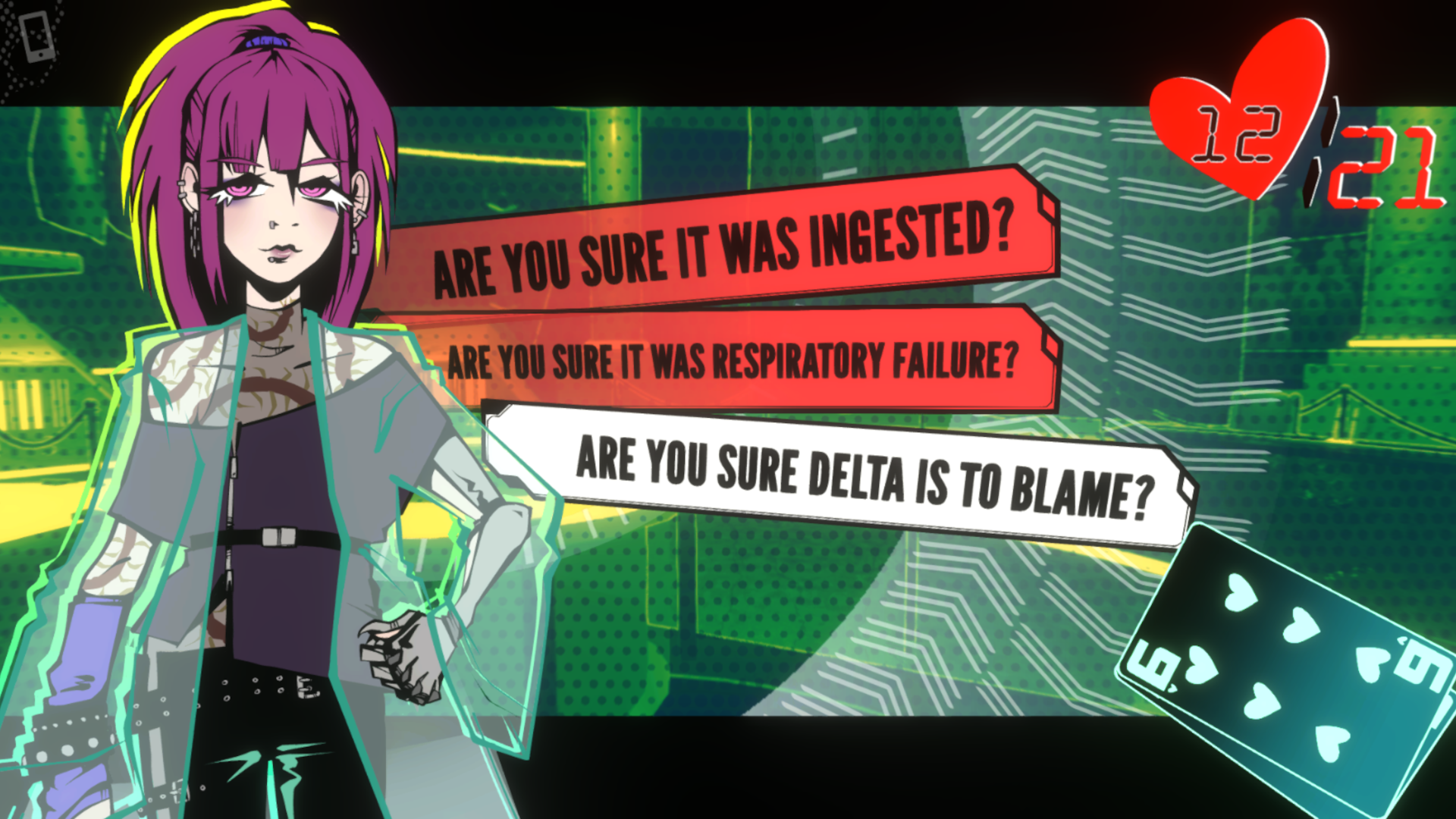
Posted on 10/07/26This is the premise of Nth Circle’s of the Devil. The studio’s flagship title is an episodic courtroom visual novel in the vein of Ace Attorney and Danganronpa set in a cyberpunk dystopia. Through the eyes of Morgan, a sarcastic but dedicated defense attorney, the clinical world of courtroom procedurals gives way to a casino-themed battle of cross-examinations and one-upmanship. Instead of adding mini-games to a visual novel (generally, a bad idea), the developers put in a resource—poker chips—tracking player curiosity, memory and, most importantly, their confidence in their own judgements all in one. Players are encouraged to bet on their guesses, and to bet big.
The birth of of the Devil can be traced all the way back to 2020, when a recently quarantined Brian “kyoni” Mulholland had the sudden inspiration to write a visual novel (VN). While he was a big fan of the genre (especially the two series mentioned above) he had never tried his hand at making a game before. Five years and a few game jam entries later the studio’s flagship project has garnered a dedicated fandom and gained a reputation as a hidden gem. On the video game logging website Backloggd.com, of the Devil stands at a proud 4.4/5 rating, placing it comfortably in the top 200. . . games of all time. Online rating criteria aside, how did a debut title manage to do this?
Earlier this year I reached out to Brian to ask him about the development timeline and creative process behind his game. If this introduction has piqued your interest, the prologue (episode 0) is free to play. The following interview, conducted over email, contains spoilers for said episode. You have been warned.
BM: I was introduced to most of my peers initially through my brother, who met most of them through the Homestuck cosplay scene during the 2010’s. A lot of them come from crafty and creative backgrounds, participating in fandoms through zines, cosplay, fanart or artist alleys. That background’s helped a bit in the last year or so when we’ve started doing in-person events like MagFest.
BM: Morgan’s psychology was never much of a “twist” for me in the sense that it was the first thing I decided, the first scrap of an idea for a story I wanted to tell. She’s become a much more nuanced character, with much better fleshed out personality than my initial drafts, but she was never going to not be an immoral criminal.
Episode 0 didn’t undergo any major plot or content changes since the short story was first drafted- it was always set in the future, all in one night, at a ghost town of a police station. Emma, Reyes, London and Carlos were all there- though they had placeholder names and sprites. The worldbuilding came later, but the tone of the world itself was already in-place: obtrusive advertisements and police-state anxiety served up on a plate of sterile, aggressively polite corporate language.
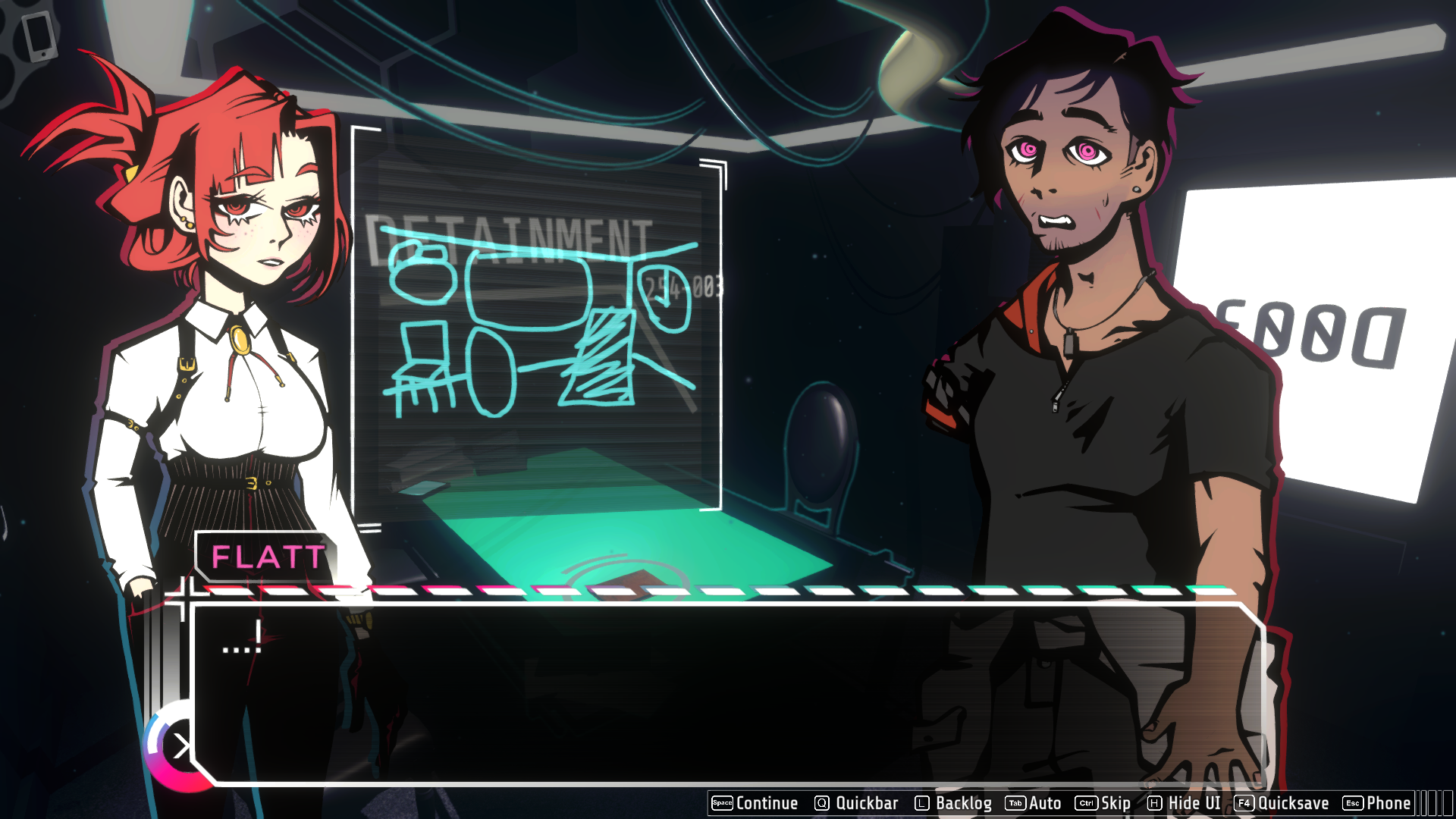
BM: I have bachelor’s degrees in the sciences that no doubt influence the kind of details I like to yap about and some of the ideas I have for where the future could take us. And having some education in psychology, it’s hard for that not to color how I write introspection or prose. But I really don’t strive for a character like Morgan to have realistic or relatable psychology. If people feel she’s realistic or relatable, that’s great! But it isn’t my focus. My focus is just on making her a good, compelling character that’s consistently fun to watch. So I never stop myself in the middle of a scene to put Morgan on the therapist couch and start diagnosing her.
BM: I worked closely with my collaborators at Nth Circle during that period to develop the new style and gameplay that we felt our game needed, but because the majority of the text and the story wouldn’t be changing, I didn’t have much work to do as a writer. Wanting to improve my writing fundamentals and broaden my skillset, I was eager to participate in game jams as a way of exercising my creative muscles.
Kodokuhime was mostly coincidence; I had various ideas for “shōnen”-type one shot stories at the time and we had recently developed some new tools for scripting camera movement in 3D spaces for of the Devil, so when the Battle Action Fantasy Jam showed up on the calendar, it seemed like a great opportunity for me to try out new things in a shorter, more action-oriented story than anything I’d done before.
I first spoke to Mado when I cold emailed them about playing of the Devil on one of their streams because they were listed in the resources of the VNDev discord as a content creator interested in playing visual novels. When Mado put out an announcement that she was looking for collaborators for the Nanoreno Game Jam that year, I applied, again hoping to gain experience writing under different constraints and in different styles.
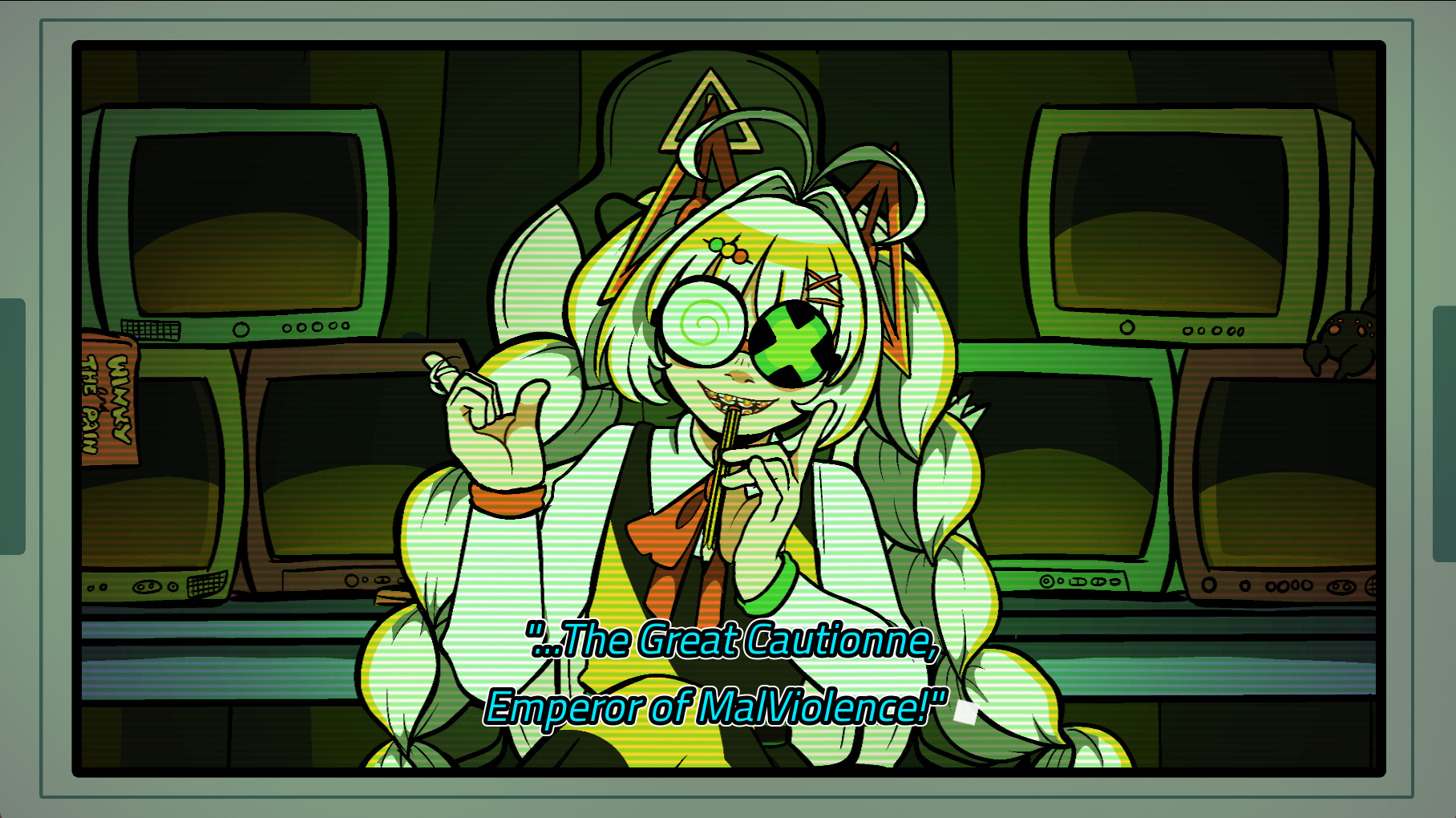
from Malviolence, 2023
BM: I came back with a new understanding of just how much more I could be doing. I think my first approach to games was immature in that I thought, as a writer, my focus should always be on the script. Drafting and re-drafting, editing again and again to make the words as strong as possible and letting the rest of the game act as support for that script.
You can make games that way, of course. Games carried entirely by words so strong and evocative that everything else in the game’s files could be swapped out and it would hardly matter. But you’d need to be a truly brilliant writer to do that. (And you could also just write novels at that point)
I try to take a more holistic, top-down approach these days. I think about the entire experience- the end product. What I want the audience to be feeling or thinking at any given moment. And then I think about the best way to get there- and whether or not that involves writing.
Sometimes it doesn’t. Sometimes you just need to let the script hang for a beat so the audience can sigh. Sometimes you do a panning shot to set the scene instead of a page full of descriptions. Sometimes the words on screen need the music playing in the background to recontextualize their meaning. And all of that is very, very hard to do if you just consider yourself a writer, someone whose job begins and ends with the pen.
I don’t write novels. I make videogames. So I try to push myself to think less like a writer and more like a game designer, even if there’s always a ton of words involved.
BM: The director’s responsibility is to have a vision and see it through. That means plotting a course, steering the ship and keeping it on course. The director needs to be there every step of the way, assembling little pieces of the picture, requesting additional pieces from their team, and assuring everyone that:
1.The bigger picture exists.
2.You know what the bigger picture is supposed to look like.
3.We’re getting there.
That can include saying no to ideas, or requesting multiple revisions, or just generally being persistent and professional, none of which is all that fun- but one of the advantages of working with a team is that you can take turns having fun.
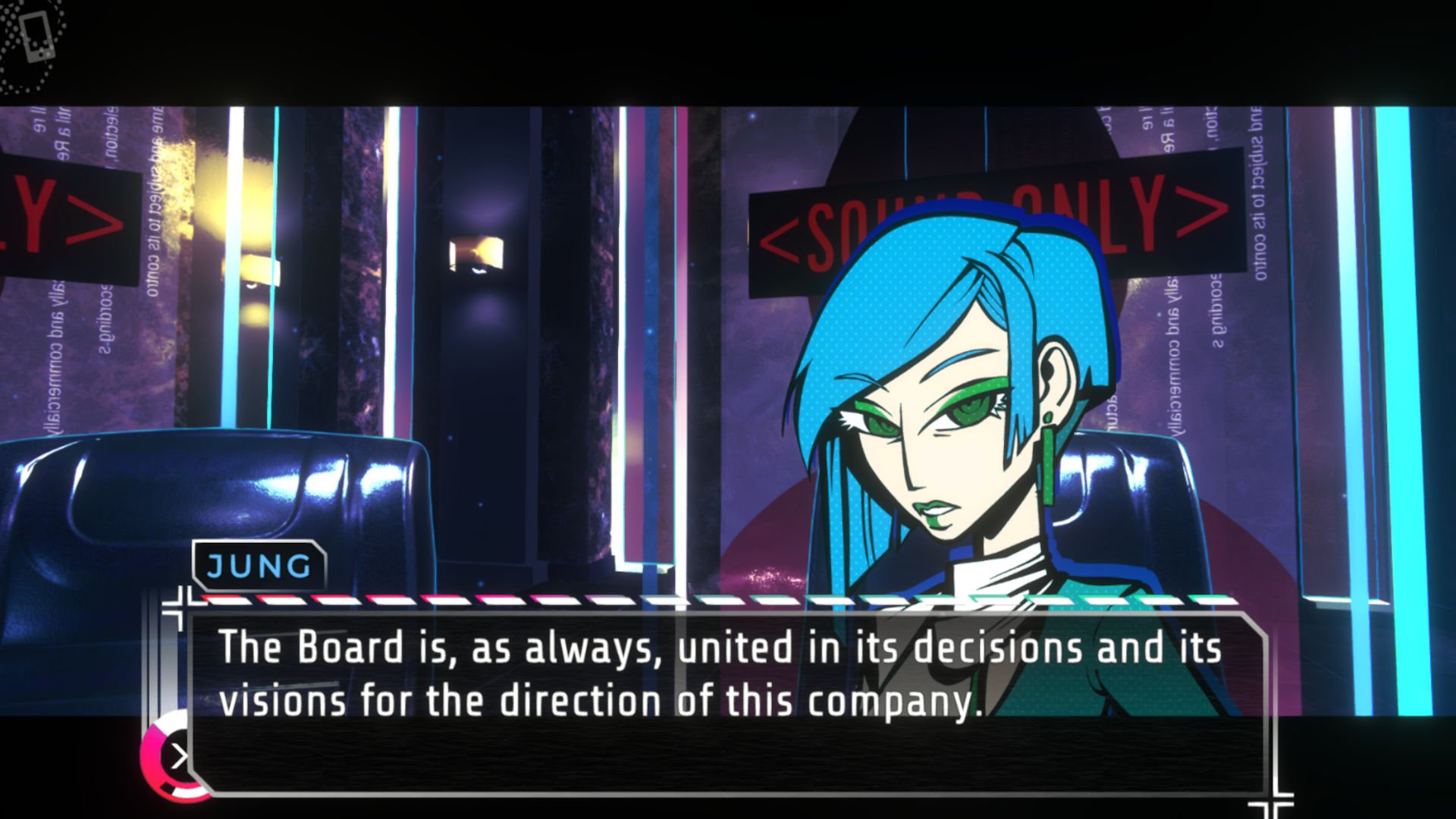
BM: Model Employee’s plot came from a short story script I’d had for a while about a malevolent shipping warehouse encouraging cutthroat behavior in its newest trainee. I knew that it would be set in the near-future, but pretty much everything else about the setting was up in the air. Putting Model Employee in the same universe as of the Devil was a bit of fun and fan service, of course, but it made sense for the jam because it allowed us to spend that month working in what was, by comparison, an established canon. We were able to shortcut a lot of the worldbuilding and backstory for the characters, technologies, and corporations because of that and focus our creative efforts on crafting the game’s experience. By just borrowing a time and place and not sharing any characters, players could check out Model Employee having no idea what of the Devil was and still enjoy themselves- and maybe those new players might even feel curious enough to check out of the Devil when it re-debuted on Steam a few months later.
BM: I don’t know that of the Devil is atypical for the genre. I certainly don’t write it concerned about making it feel “not like other cyberpunk” stories. I do think that the cyberpunk genre, which focuses on urban settings, corporate intrigue and government corruption, shares a lot of DNA with noir works. But while the noir detective is a dispassionate, jaded cog in the machine, the average cyberpunk protagonist is a tech-enabled vigilante; practically a superhero. So I think what sets of the Devil apart is that the story is told through Morgan specifically- a criminal and an outsider, of course, but also a lawyer. Her fights involve wielding logic as a weapon to outsmart her opponents rather than utilizing fantastic technology to…guess peoples’ passwords and find air-vents, like some other cyberpunk videogame characters might.
My earliest exposure to cyberpunk came from late nights catching individual episodes of Ghost in the Shell on Adult Swim and being completely lost but also totally in awe. Intrigue and subterfuge, abject poverty and stomach-turning excess, the beauty of the human form and the grotesqueness of what lies beneath the skin…Cool female leads.
I’ve come to love plenty of other cyberpunk stories in the time since, but I’ll never forget that Ghost in the Shell was my first. When you count up the worldbuilding, tone, technology, and style, of the Devil probably owes more to GITS than any other individual cyberpunk work.
As for my personal interest; what I like to think about (and therefore like to write about), cyberpunk appeals to me because it’s dirty. Even when the technology is sparkling and the possibilities are mesmerizing, you know there’s dirt under the fingernails of the neon-haired rebel who jury-rigged the knock-off iPad they’re using as a controller for their drone. Call it “grit” or “realness”-, cyberpunk focuses on the details of a lived-in world that “higher” sci-fi might cruise past at FTL speed. All art is political, but cyberpunk tends towards critical- and so even though a show like, say, Andor is set in a galaxy far far away where they do have spaceships and aliens and even something as mystical as the force, because it focuses on the details of galactic fascism it feels far more cyberpunk than anything Elon Musk will ever have an intern mock-up for investors.
Well, he has Grok do all that now.
In cyberpunk, things break and backfire and get repaired but never work quite right. There’s smog and grime and cigarettes and alcohol. Everything’s human. All the good and the bad comes from us. We’re alone and we can’t escape from ourselves. It’s just us and we have to look each other in the eye.

BM: Because of the Devil is a series of murder mysteries there’s always going to be a heavy focus on crime. Crime is inextricably interwoven with class, economics, policing… it’s actually harder to write a murder that isn’t political at all (unless you can put all your suspects in a closed-off environment, before, during and after the crime is solved, but what are the chances of that?). On top of that, Morgan as a protagonist has a unique and precarious position in the middle of her world’s politics. As a criminal defense attorney she is knowledgeable of the ins and outs of the legal system; how it functions and intersects with politics, power, and incarceration. But that system she works so closely with, that machine constantly grinding people to bits right in front of her, is the exact same bludgeon that she’d be faced with the moment her true nature is exposed.
She works in the shadow of the guillotine. It’s impossible she wouldn’t have things to say about the headsmen.
BM: Morgan’s character has always had some pretty high-risk-taking tendencies and a penchant for metaphor. Gambling was a natural fit for her personality, but the original inspiration to use gambling not just as a framing device but as gameplay came from Jotaro’s fight against D’Arby the Elder in Jojo’s Bizarre Adventure.
In an action-packed series full of guys with massive muscles, that fight stands out because over the course of two episodes or so, not a single punch is thrown. Yet by gambling with their very souls on the line, even something as mundane as betting on a parlor trick becomes a high-octane nailbiter. Part of that comes from the direction and framing, of course- the music, the pacing, the back-and-forth in the specific game that’s being played… But it highlights something important about storytelling: what the audience is feeling is more important than what the characters are literally doing.
The plot of Episode 0 was the same before and after we added new gameplay: Morgan was still negotiating for a man’s life while managing to keep her own neck safe in a high-risk, high-reward battle of wits. But by making players think of their evidence-gathering as a resource, by letting them decide how much or how little to risk on a given point, by forcing them to take risks alongside the protagonist, they don’t need to be reminded of what’s at stake because they feel like they’re the one risking it.
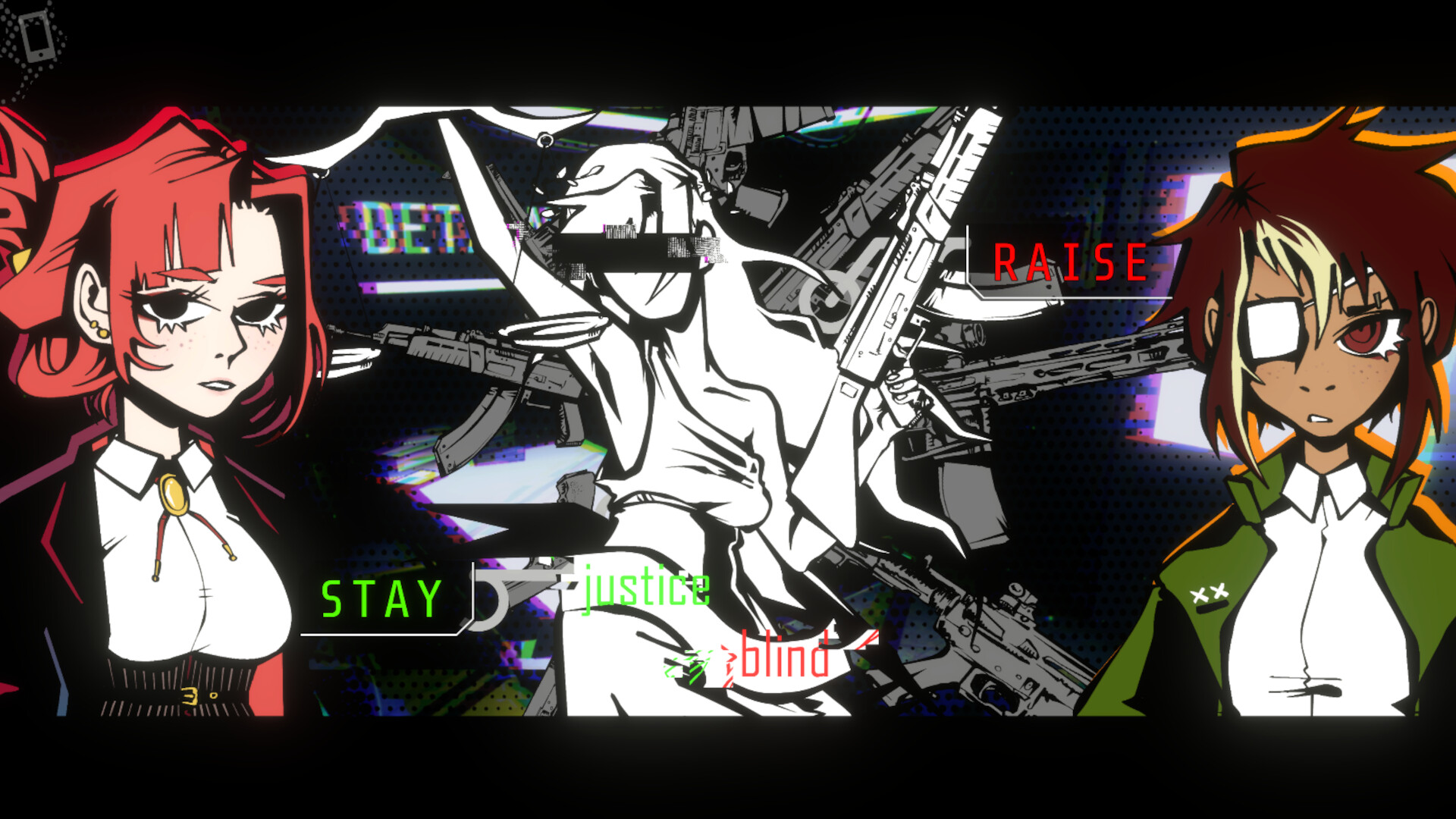
BM: We were never particularly interested in developing “mini-games” in that sense. While selecting letters to form a word or stringing together clauses to mad-lib yourself a statement does visually resemble what it feels like to piece together a theory, I’ve never once felt smart playing Wheel of Fortune; I’ve only ever felt dumb for not getting it before the reveal.
We have a somewhat useful constraint on our game design in that it’s incredibly taboo to bring any sort of randomness into the battle of wits between a mystery story and its reader. So while our gameplay embraces “risk,” we never actually leave anything up to “chance.” That’s paradoxical, of course, but so is a character like Morgan. And if anyone isn’t up for that sort of thing, hopefully they won’t mind bowing out after playing through Episode 0.
The gameplay in of the Devil isn’t perfect, but I do think it largely succeeds in making our players feel a certain way: like they are gambling. There will inevitably be times where players know exactly how the events went and they feel frustrated waiting for the characters on-screen to catch up to them. There will be players who have no idea what the game is asking of them who throw out all logic and start trying every combination in an exasperation. But there will also be moments where a player mashes the trigger to max out their bet before slamming down their answer and winning back a huge chunk of credit. There will be players who find themselves unsure and instead of looking at a walkthrough, they’ll lower their wager and proceed with caution until they find their thread again.
So we try to design our game to maximize how excited our audience feels about succeeding, rather than guaranteeing that every possible player fails as little as possible.
And we hope not to find ourselves on the wrong end of any “MEAT ON THE BONE” accusations.
BM: Penny, viewing humanity through the unflattering lens of product recommendations and internet search history, feels that the vast majority of people are not risk-takers, that they’re cowardly and more importantly lazy; they fear losing more than they value winning, so they prefer safety in all things, up to and including love. Machines, tools, the AI chatbot “companions” and the ensuing AI psychosis that have become more prevalent since Model Employee came out… Even just online parasociality in general. Penny sees it all as indicative of an inherent human weakness that will only grow more exposed as tech becomes able to ‘provide’ for us faster than we can build a tolerance to it.
But Penny’s expressing an opinion about humanity in general. Morgan’s an outlier, by anyone’s measure.
She’s a risk-taker who doesn’t dwell on consequences, and can be likened to an addict in many ways.
In her approach to love, though…?
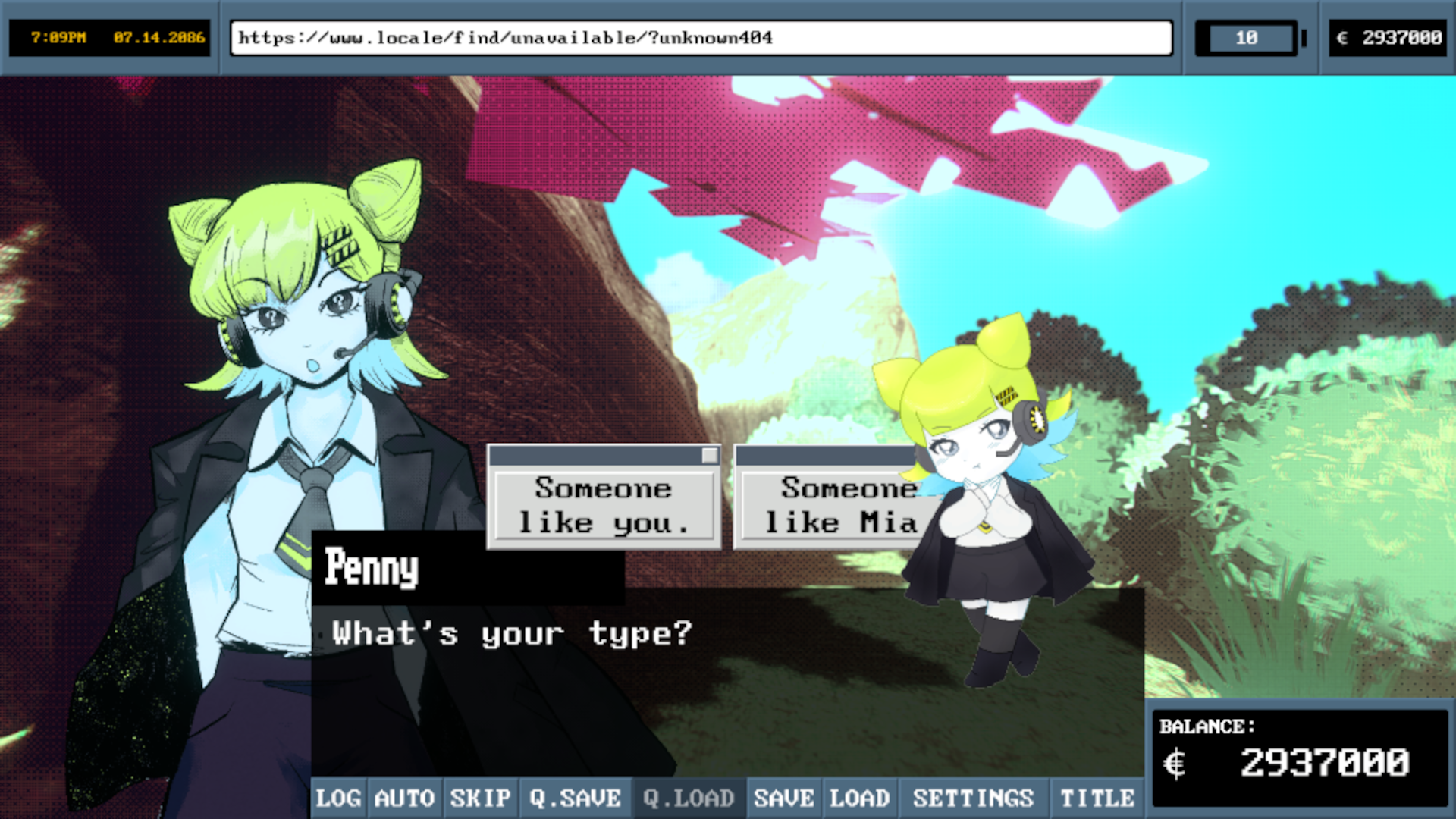
Fig. 3: Inappropriate workplace behaviour
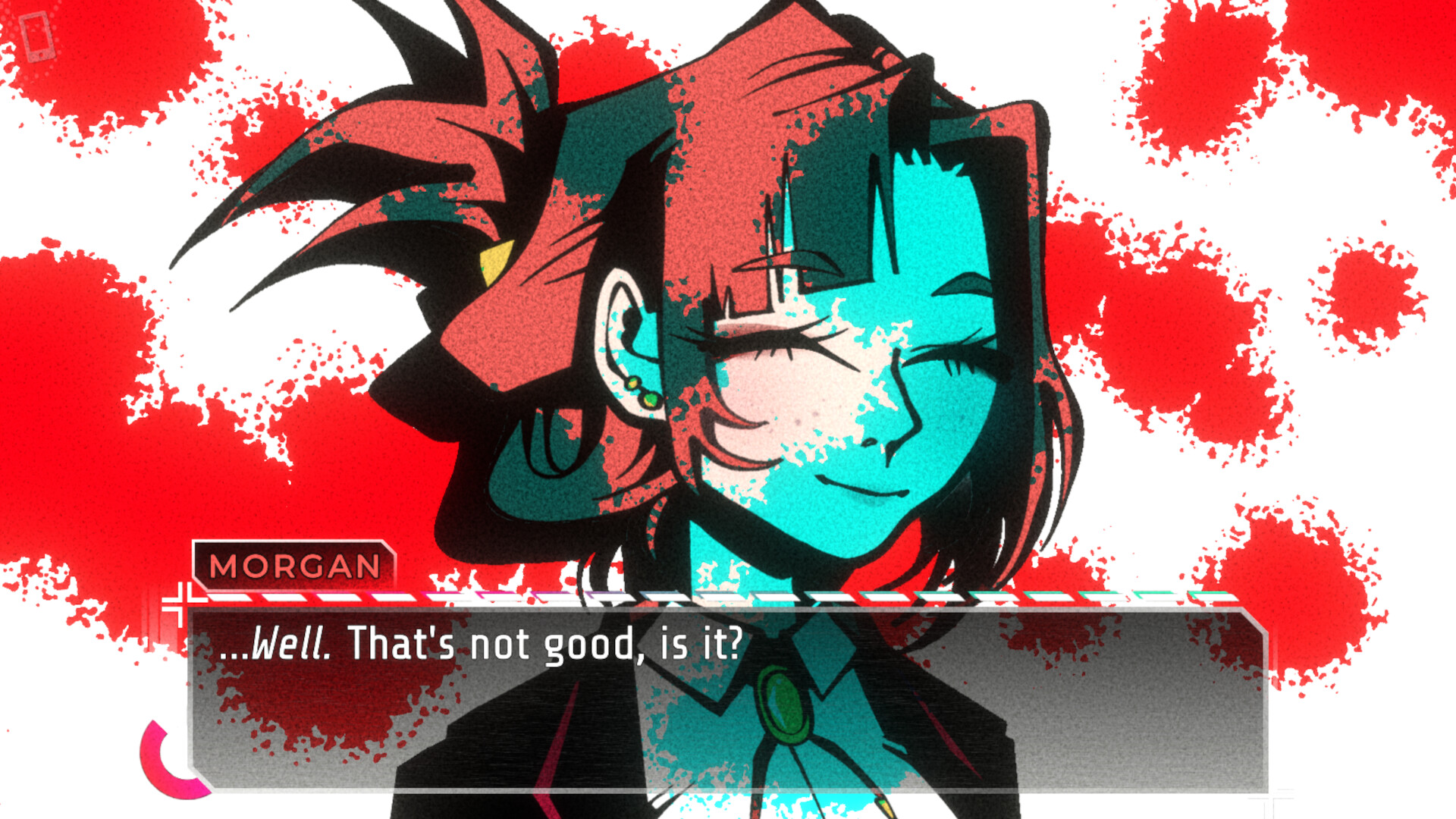
BM: While we do make comparisons between Morgan and various characters in marketing or for fun, those aren’t tools we use internally for character development or scene direction- it’s just a quick way to introduce newcomers to the type of anti-heroine she is.
Morgan was always a woman from the very start. Whether I’ve ever been “blind” to her gender while writing her…I’m sure there have been times it wasn’t at the forefront of my mind, for better or worse.
I can say that while I’ve always thought of her as a woman and a serial killer, I’ve never tried to write her as “a woman serial killer,” like she’s some kind of rebuttal to Patrick Bateman, or the Anti-Hannibal Lecter or Dexter Morgan (Believe it or not, I had forgotten Dexter’s last name by the time I picked Morgan’s).
She can use the fact that she’s not physically intimidating to her advantage, but as we see in the courtroom and other settings, she’ll rapidly change her entire demeanor if it can help her win an argument or get what she wants, so I consider her more of a “mask-switcher” or a social chameleon than a “disarming woman.”
BM: Not every member of Nth Circle worked on Märchen Line during that month, but it was a departure for a good chunk of us. It was a departure from our usual work on of the Devil at the time, but we were excited about participating in Spooktober again and the ideas and the availability was there, so we took the chance.
Having won the previous year, we were in a pretty unique position. We did feel some pressure on ourselves to place again, but we also didn’t feel like it was necessary to “prove” ourselves this time around. So we tried to “push” ourselves instead. Märchen Line was about the “biggest” possible game we could’ve made in that month. In terms of assets, word count, and the scale of the story, we went as big as we could. And made it over the finish line! Though not by much. [Märchen Line ended up winning second place in the overall competition, eds. note] It was a challenging and rewarding month for all of us, and though Nth Circle hasn’t participated in a game jam since, many of the talented people who worked on Märchen Line and Model Employee have gone on to put out some amazing work (https://ebicon.itch.io/butterfly-aeffect) (https://ebicon.itch.io/as-if-through-glass).
In fact, the entire visual novel game jam scene is booming! Even right now, over 1800 teams are participating in the second Toxic Yuri Visual Novel Jam. Some of them might be looking for help, too!
So if you’re reading this and you’ve ever wanted to work on a visual novel yourself, check out it! And join the DevTalk server as well—they’ve got tons of helpful guides and kind people who are always ready to lend an ear or set first-timers on the road.
BM: The game was written from start to end in one chunk a couple of years ago, before I pitched it to anyone. That felt like an achievement at the time and maybe it was, but while writing will never be easy, it will always be one of the fastest parts of the development cycle.
A writer can add a city to the story in one paragraph. It can take multiple days to create a single room in 3D. Brainstorming a new mini-game can happen in an instant; it takes weeks of fine-tuning to get a single part of a demo feeling right.
So it’s never a bad idea to write things out in advance. But you shouldn’t expect the work to be finished at that point. Because we as writers can move faster than many other departments, we’re the ones best suited to the job when it’s time to move the flagpoles. Sorry, if you’re reading this and you feel dread at the idea of doing any re-writing. But after a year, have one more year’s experience as a writer, and that last draft will look like crap!
If we could do all of of the Devil at once and release it all at once, with the same level of quality and progress in our individual skills as we went… I’m not sure things would’ve gone better.
of the Devil still is our first and only commercial title. If we had dropped the entire story at once, we’d need to get our name out there, convince people to buy it, find our audience and hope for good word of mouth all at once, too. Would as many people have been willing to “try us out” if of the Devil launched as a 30+ hour commitment rather than “a free demo you can check out on Steam”? Would people still be talking about the game months after the most recent episode’s release if they had played through all of it in one weekend?
Maybe. Hopefully! But we’d have been risking a lot more all at once.
And some people prefer things this way. Many anime fans would rather get weekly episodes that encourage regular fandom engagement rather than superdrops of entire seasons that get binged in one day every 8 months. Dispatch [by AdHoc Studio] was divided into weekly installments, presumably to make it feel more like an ‘event’ rather than just a “new game.”
We’d never say no to a bigger budget for of the Devil. But if we had the option to release the rest of it in one batch with the flip of a switch…That wouldn’t be an easy decision to make.
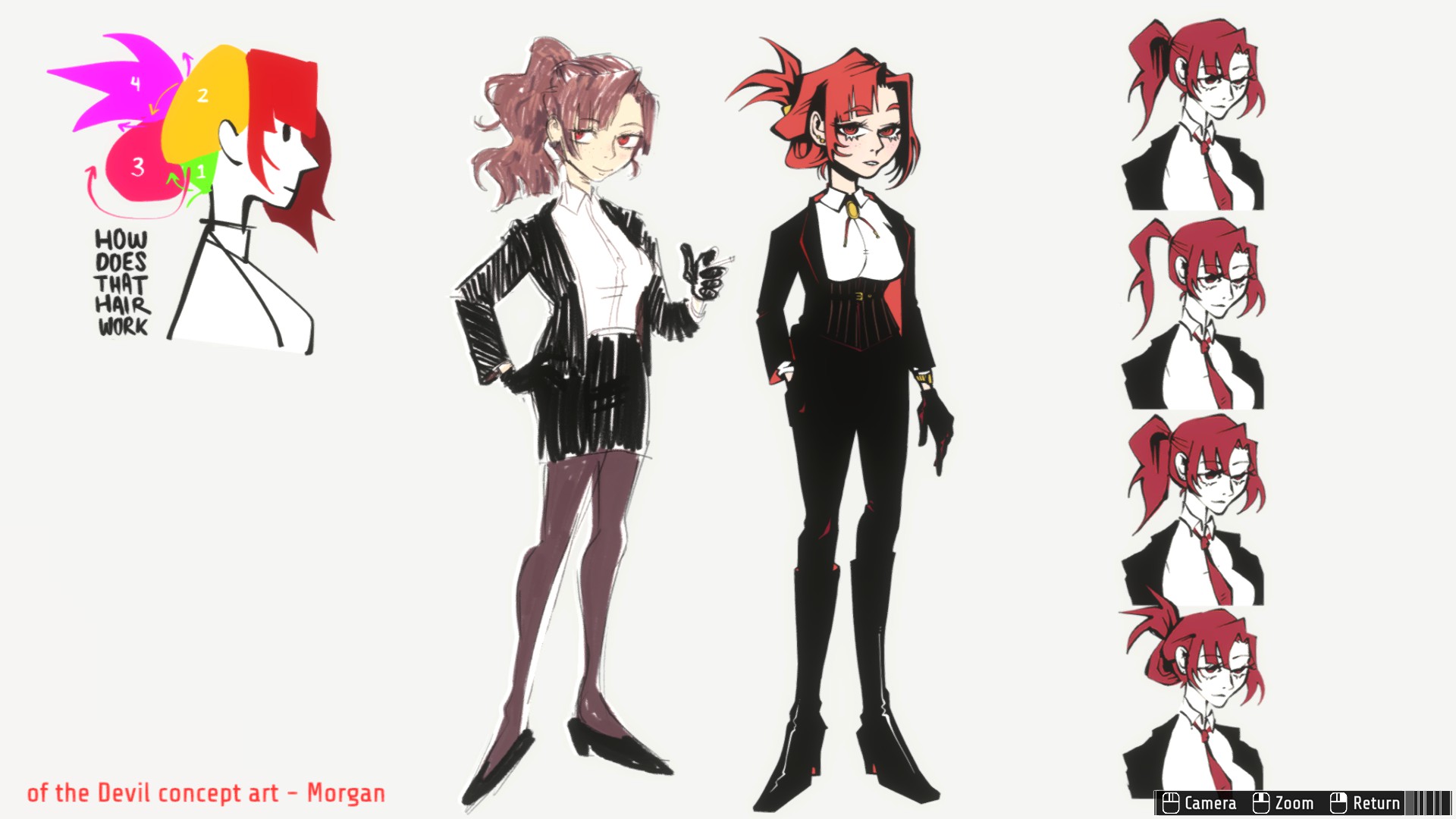
Early concept art
BM: We’re friends-first in that we met as friends before we started working together. What success we’ve had hasn’t changed that- we just have more responsibilities to tend to.
BM: Making people laugh and cheer and cry.
of the Devil episode 3 releases this fall. The game’s prologue (episode 0), clocking in at about two hours, is free to play on Steam and itch.io.
If you want to learn more information about the development of of the Devil, check out this interview with multiple members of the team, including Brian, from last year. Much of the ground covered here was building on the foundation laid out by arimia.

Seriously, play this game